
Creating a cozy and functional home workspace can make a significant difference in your productivity, comfort, and overall work experience. Whether you work from home full-time or occasionally need a dedicated area to concentrate, designing a space that suits your needs and preferences is key. In this post, we’ll share practical tips to help you build a workspace that feels inviting and supports your daily tasks.
1. Choose the Right Location
Selecting the right spot for your workspace is the first step. Consider these factors:
– Natural Light: A space near a window offers natural light, which can improve mood and reduce eye strain.
– Quiet Environment: Pick a spot away from loud appliances or high traffic areas to minimize distractions.
– Space Availability: Ensure there’s enough room for your desk, chair, and any necessary equipment without feeling cramped.
If space is limited, consider multi-purpose areas like a corner of your living room or bedroom. Using room dividers or screens can help delineate the workspace from other parts of your home.
2. Invest in Comfortable and Supportive Furniture
Your furniture should promote good posture and comfort:
– Ergonomic Chair: Choose a chair that supports your back, adjustable in height, and comfortable for long sitting sessions.
– Desk Size: Opt for a desk that fits your equipment (computer, notebooks, accessories) with some extra workspace.
– Adjustable Desk: Consider a sit-stand desk to change your working position during the day.
Comfortable furniture reduces physical strain and helps maintain focus.
3. Optimize Lighting
Proper lighting is essential to reduce eye fatigue and create a warm atmosphere:
– Natural Light: Utilize daylight as much as possible.
– Task Lighting: Use desk lamps with adjustable brightness to focus light where you need it.
– Ambient Lighting: Soft overhead lights or floor lamps can reduce harsh contrasts in the room.
Warm light bulbs often add to the cozy feel, while cooler bulbs can increase alertness depending on your tasks.
4. Keep Your Workspace Organized
Clutter creates distractions. Try these organization tips:
– Storage Solutions: Use shelves, drawers, or baskets to store supplies neatly.
– Cable Management: Hide or secure cords to keep the area tidy.
– Minimalist Approach: Only keep items you use regularly on your desk.
A clean and orderly space helps improve concentration and reduces stress.
5. Personalize Your Workspace
Adding personal touches makes the space inviting:
– Decor: Add artwork, photos, or plants to bring life and inspiration.
– Colors: Use calming or motivating colors through wall paint, accessories, or desk items.
– Comfort Items: Place a cozy throw blanket, cushion, or favorite mug nearby.
Personalization makes your workspace feel uniquely yours and boosts morale.
6. Incorporate Technology Wisely
Technology can either enhance or complicate your workflow:
– Reliable Equipment: Ensure your computer, printer, and other devices are dependable and up-to-date.
– Accessories: Use headphones to block noise, or an external keyboard and mouse for comfort.
– Wireless Options: Wireless devices reduce clutter from cords and cables.
Choose tools that support your productivity without overwhelming the space.
7. Maintain Good Air Quality and Temperature
Comfort also comes from the environment itself:
– Ventilation: Keep windows open when possible or use a small fan to circulate air.
– Plants: Houseplants improve air quality and add a natural element.
– Temperature: Use a heater or fan to maintain a comfortable temperature for focused work.
Breathing fresh air and feeling comfortable physically helps maintain clear thinking.
8. Establish Daily Routines
A functional workspace works best alongside good habits:
– Set Hours: Define work hours to separate professional and personal time.
– Breaks: Take short breaks to stretch or move around.
– End-of-Day Cleanup: Spend a few minutes organizing your space before finishing work.
Routines contribute to a productive use of your cozy workspace.
—
By thoughtfully combining comfort, organization, and practicality, you can create a home workspace that not only looks inviting but also supports your work goals. Start small, and adjust the space over time to fit your evolving needs and preferences. Happy working!
Related Posts
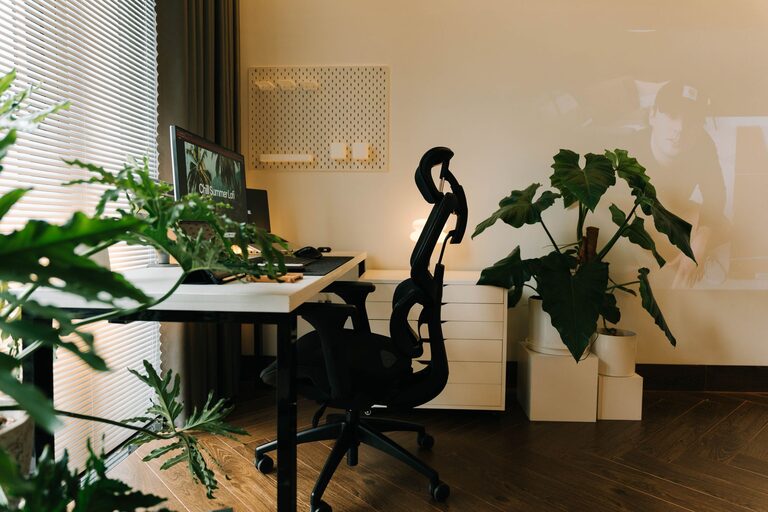
Tips for Creating a Productive Home Office Space That Boosts Focus and Comfort
Creating a productive home office is essential for anyone working…
Tips for Creating a Cozy and Functional Home Workspace
Creating a cozy and functional home workspace is essential in…
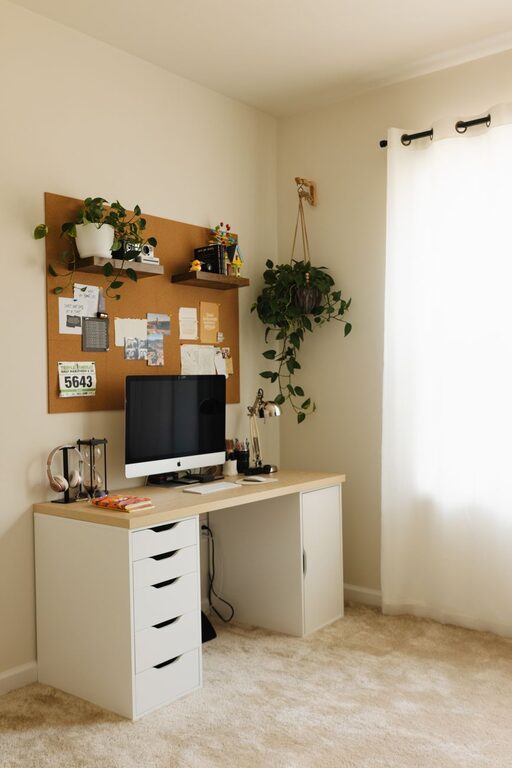
Tips for Creating a Cozy and Functional Home Workspace
Creating a cozy and functional home workspace is essential for…